Facing a Huge Tax Bill From Selling Investment Property? Here Are Your Options

Selling a rental or investment property can trigger federal capital gains tax, depreciation recapture and the 3.8% net investment income tax all at once. Here’s a plain-English look at your options, from a 1031 exchange to installment sales, and when each one makes sense.
Sold an Apartment Building and Now Owe Depreciation Recapture? How to Defer It

Years of depreciation on a multifamily property can turn into a surprise tax bill of up to 25% when you sell. Learn how a 1031 exchange can defer depreciation recapture along with capital gains, and what to do if your sale has already closed.
Is There a Way to Delay Taxes When Selling Commercial Real Estate?

Office, retail, industrial and net-lease owners can often defer the tax on a sale by exchanging into other investment real estate. We walk through how a 1031 exchange works for commercial property and the deadlines that matter most.
Need to Sell Mineral Rights but the Tax Consequences Are Killing the Deal?

A strong offer on your minerals can lose its appeal once you see the tax bill. Many mineral and royalty interests qualify as real property for a 1031 exchange, so you may be able to defer the tax and reinvest in rentals, land or other minerals.
Selling Oil and Gas Interests? What to Know About the Tax Hit

Royalties, overrides and working interests are taxed differently, and depletion recapture can add to the bill. Here’s what Permian Basin owners should understand about the tax hit on an oil and gas sale, and which interests may qualify for a 1031 exchange.
Why It Pays to Use a Qualified Intermediary With a CPA and Attorney on Staff

Most 1031 exchange mistakes happen in the details: entity issues, related-party rules, boot and identification. Here’s why working with a qualified intermediary that has an attorney and a CPA on the team can help you catch problems before closing.
Deadline Pressure: How to Close on Your New Property After Selling the Old One

The 45-day identification and 180-day closing deadlines don’t stop for weekends, holidays or slow lenders. Practical tips for staying on schedule, from identifying backup properties to lining up financing before your sale closes.
Choosing a Qualified Intermediary for Apartment Building Exchanges Over $5 Million

Large multifamily exchanges bring bigger dollars, more lenders and tighter closings. What to ask a qualified intermediary before trusting them with an eight-figure exchange, including how funds are held, insured and wired.
Looking for a QI That Handles Reverse 1031 Exchanges in Texas?

Found the right replacement property before your current one sells? A reverse exchange lets you buy first by parking the property with an exchange accommodation titleholder. Here’s how reverse exchanges work in Texas and what to look for in a QI.
Need a Qualified Intermediary With Oil and Gas Experience? Start Here
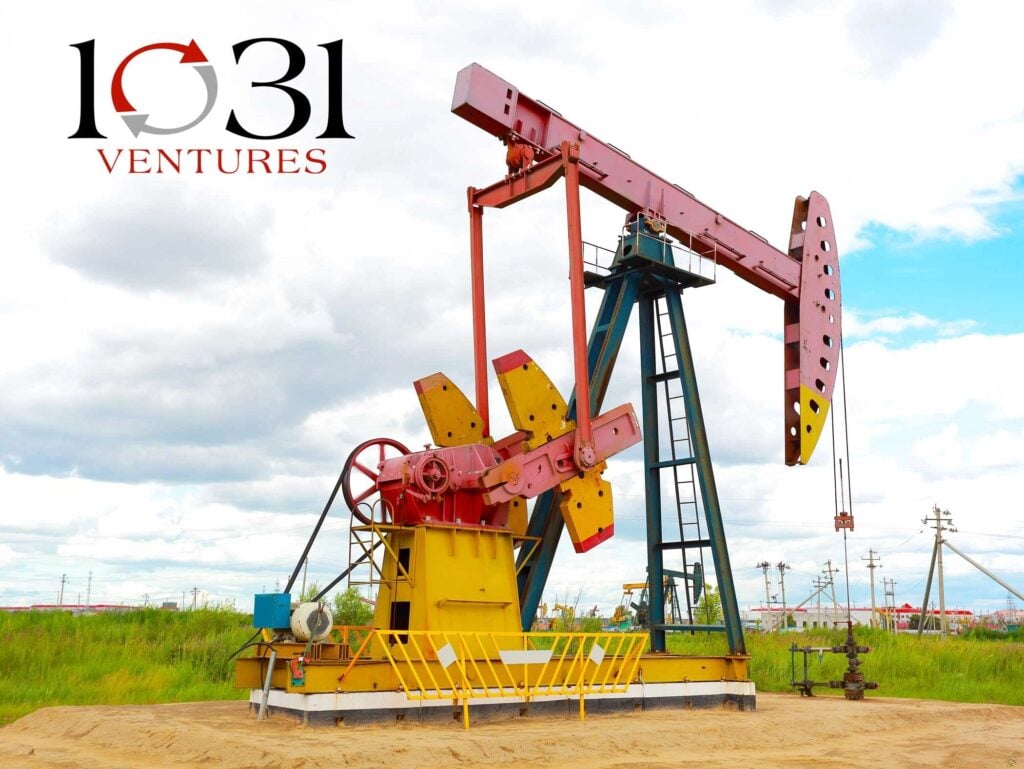
Mineral deeds, division orders and suspended royalties don’t come up in most real estate exchanges. Why oil and gas owners should work with a qualified intermediary who knows how to describe, value and exchange mineral interests the right way.
First American Exchange Company vs. Accruit: How to Compare 1031 Exchange Providers

First American Exchange Company is part of First American Financial, and Accruit is an independent national qualified intermediary. Rather than picking a winner, this guide covers the questions to ask any QI about fees, fund security, experience and service.
Asset Preservation, Inc. vs. IPX1031: What to Look for When Comparing QIs

Asset Preservation, Inc. is a Stewart company, and IPX1031 is part of Fidelity National Financial. Both are large national QIs. Here’s a neutral checklist for comparing qualified intermediaries, and when a smaller, specialized team may be the better fit.